Christianity as exotericism
In his posthumous book Insights into Christian Esotericism, Guenon gives a description of the exoteric nature of Christianity. Contrary to some popular opinion, Guenon believes Christianity in its beginning had a true initiatory character of the esoteric type. However, this was eventually lost and Catholicism then entered into an exotericism. In line with what many protestants believe, at some point- probably at the at the council of Nicaea- a cannon law had to be adopted in which a Roman component entered. This component was completely foreign to Christianity. At the time of the augmentation, the sacraments became performed by a greater number of unqualified people. This augmentation was necessary in order to preserve Christianity to a wider public. This shift into the exoteric was necessary to preserve tradition in the Greco-Roman world since the old religion had then entered a state of degeneration. This kept tradition going for another thousand years since the West was not yet at the stage to move into a state of no tradition. At this point, the holy spirit no longer acted through the sacraments. However, Guenon believes that as an exoteric religion, some force continues to act through the sacraments but he is not sure what. This force continues to be supra-individual and not sub-individual. However, this force is not as strong as the holy spirit.
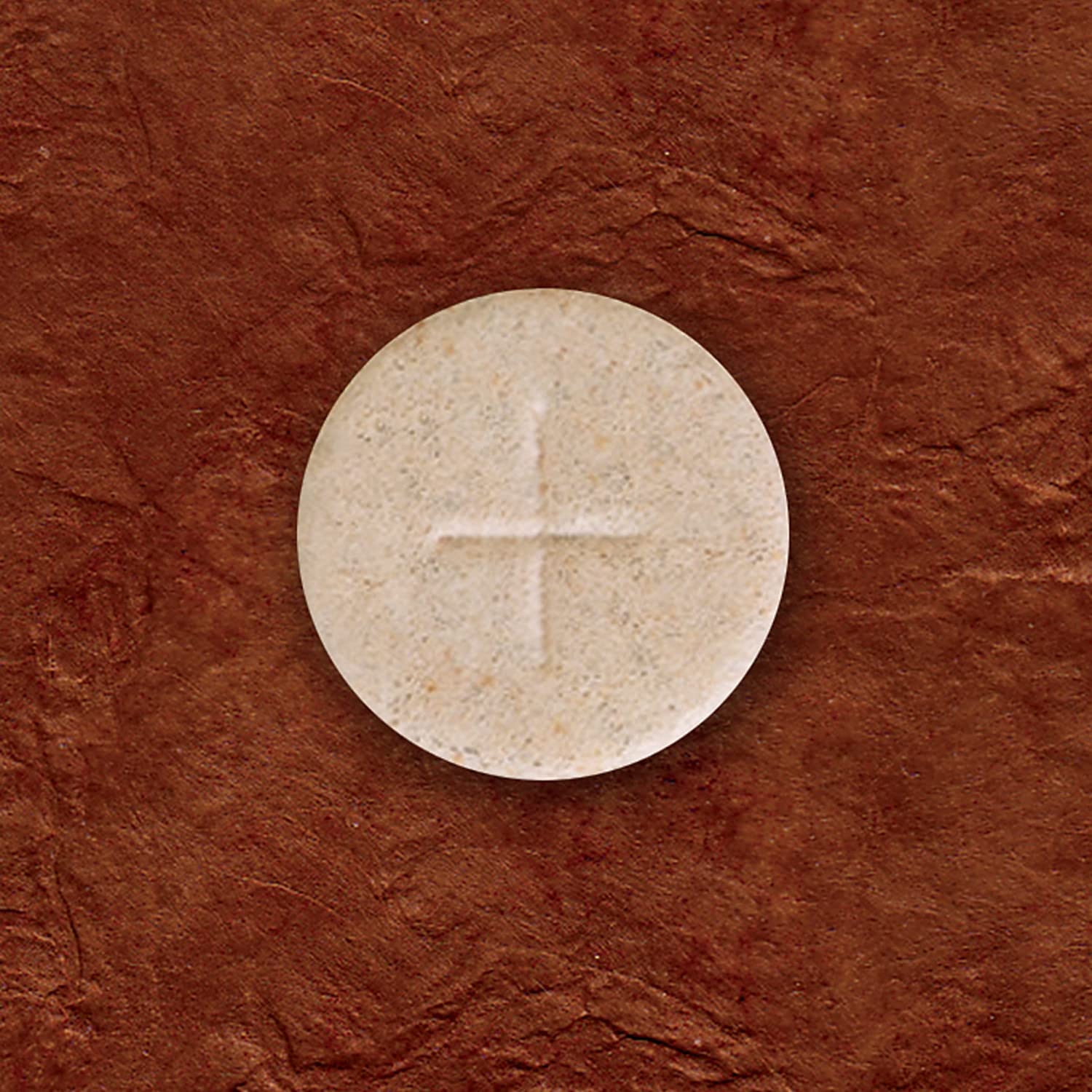
The fact that the sacraments have descended into a exoteric domain is shown by the fact that many of the rights that were once private and initiatory are now public. One example is baptism, being a sacrament that initially involved a long ceremony involving preparations; this then turned into a public ceremony that anyone can perform and in which anyone can attend. Similarly, confirmation and the obtaining of the Eucharist are now public. It is this making of the rights public which is of the tendency of an exoteric right, as esoteric rights should be performed in secrecy with high initiates.
Analysis
Guenon believes that when the augmentation occurred, a Roman component entered and the holy spirit ceased to act through the sacraments. However, there is reason to believe that the holy spirit continues to act directly through the sacraments. If Christianity was first and foremost designed for the Roman people, it would make sense that a Roman component would have entered into it; things were in essence designed that way by Jesus. There is substantial evidence from the New Testament alone that the Christian doctrine was designed specifically for the Roman people and their kin. As such, there is reason to believe that Jesus would continue to have the power to bless the sacraments through the priests from heaven after the augmentation occurred. Since the Roman people are the inheritors of the tradition, the priests would specifically be allowed to bless the sacraments and he would bless the sacraments through them. However, the most fundamental way of validating an esoteric claim is to verify it a posteriori. In other words, the best way to verify the sacraments validity is to take them and look at people who have taken them and see their effects. I personally have taken the Eucharist a number of times and I can say that I think it has had a direct impact on me. But I continue to maintain that the sacraments are in part a mystery.
 Idealism Studies